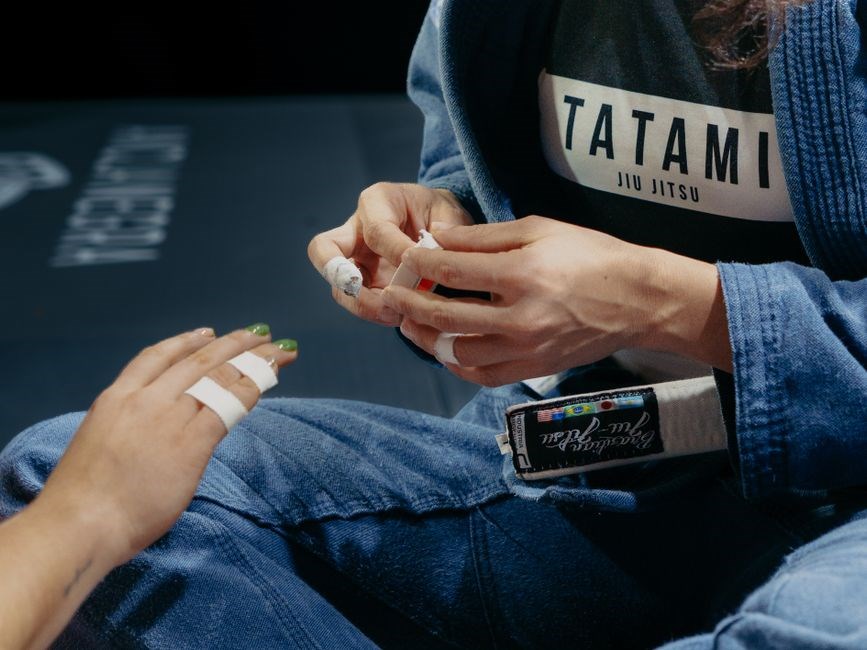
Tatami Gi Size Overview
Tatami gis follow a unique sizing system that leans toward slightly larger dimensions than many brands. The chart lists F0–F4, with F0 being the smallest. Most users find the jacket fits comfortably at their listed size, while the pants often run a bit longer and may shrink after washing. They fit well.!!!
Standard Size Labels and Their Meaning
In Tatami’s sizing system, the labels F0 through F4 correspond to incremental increases in overall dimensions, but the brand’s approach is to give a slightly generous fit compared to many other manufacturers. The F0 label is the smallest available, and it is often the size that fits the most compact frame, while F4 is the largest and is designed for taller, heavier athletes. Users report that the jacket typically fits within the labeled size, with the shoulders and chest aligning well to the printed measurements. However, the pants are known to run a bit longer and wider than the jacket, which can result in a looser fit around the hips and thighs. This is why many buyers choose to size up in the pants if they are concerned about the length after washing. The first wash can cause a noticeable shrinkage, especially in the leg area, so the pants may become shorter and tighter over time. The sleeves, on the other hand, are often too short for athletes with longer arms, and the jacket’s length can feel short for those with a short torso. Some reviewers have noted that the overall fit leans toward a more petite build, which can be a disadvantage for taller or heavier practitioners. Because of these nuances, it is recommended to cross‑reference the Tatami size chart with your own body measurements and to consider the typical shrinkage when making a decision.
When ordering, always double‑check the Tatami size chart, and if possible, read recent reviews from users with similar body types. Many find that the jacket’s fit is consistent, while the pants may need a slight adjustment after a few washes!!
How Tatami Gi Sizing Differs from Other Brands
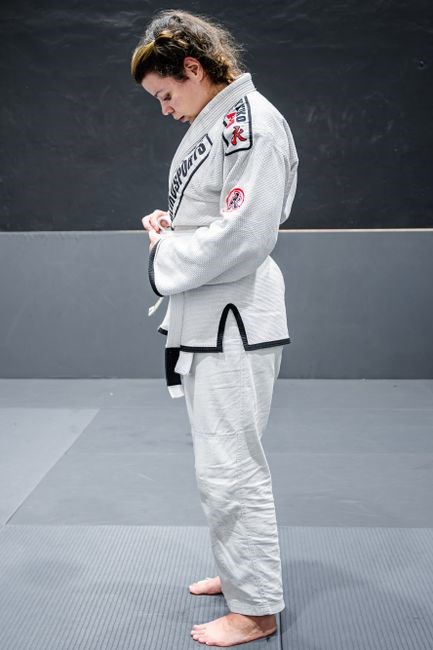
Tatami’s sizing leans larger, with F0–F4 offering generous cuts. Unlike most brands that tighten around the waist, Tatami keeps the jacket roomy and the pants slightly longer, often shrinking after washing. This results in a looser fit, especially for taller athletes, compared to standard cuts. Great for beginners!
Common Fit Expectations for Tatami Gi Jackets
Many users report that Tatami jackets run slightly larger than other brands, offering a relaxed, comfortable fit that accommodates a range of body types. The chest and waist measurements are generous the sleeves are typically longer, which helps prevent jacket from feeling tight during movement. Because the fabric is designed for durability, jacket may retain its shape even after multiple washes, though some users note a slight shrinkage in the shoulders and collar area. When selecting a size, it is advisable to compare the official Tatami size chart with your own measurements, especially the chest circumference and arm length. A common practice is to choose the size that matches your chest measurement and then adjust the sleeve length by adding a few inches if necessary. Some athletes prefer to go up a half size to avoid a constricting fit, particularly if they have a longer torso or larger shoulders. Conversely, those with a more compact build may find the jacket fits well at the listed size. Overall, the jacket’s design prioritizes flexibility and ease of movement, making it a popular choice for beginners and seasoned practitioners alike. Users often mention that the jacket feels “roomy” but still provides adequate support during grappling. It is also noted that the stitching is reinforced in high‑stress areas, which contributes to the jacket’s longevity. When trying on a Tatami jacket, pay close attention to the shoulder seam alignment and the length of the sleeves, as these are critical for a balanced, functional fit. If you find the jacket too loose, consider a smaller size or a tailored adjustment. If it feels too tight around the chest or waist, a larger size may be more comfortable. Ultimately, the best approach is to test the jacket in person or order multiple sizes for comparison, ensuring you achieve the optimal fit for your style and body type.
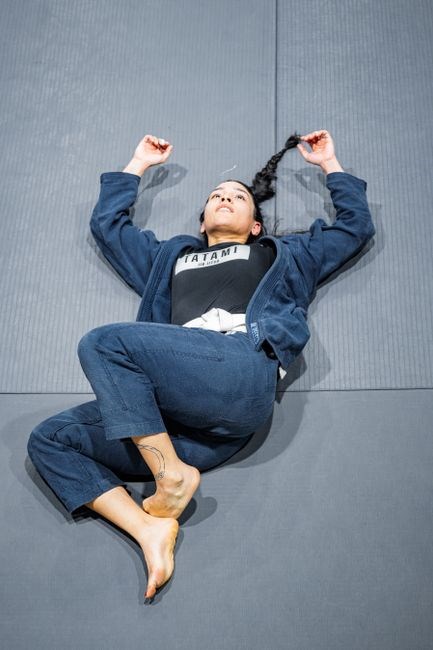
Pant Sizing and Length Considerations
Tatami gi pants tend to be slightly longer than other brands, often requiring a higher waist placement. After the first wash, they shrink a bit, shortening leg length. The fit is generally roomy, so sizing up may be advisable for taller athletes. They also feature stitching at the seams for added durability!!!
Typical Shrinkage After First Wash
Most Tatami gis experience a modest reduction in size once they hit the wash cycle. The cotton‑blend fabric that makes the gi durable also reacts to water and heat, pulling the fibers tighter. On average, the jacket shrinks about 1–2 % in width and 0.5–1 % in length, while the pants can lose 2–3 % in overall length and 1–2 % in waist circumference. This shrinkage is most noticeable after the first wash, especially if the gi is rinsed at high temperatures or left in the dryer on a hot setting. To preserve the original fit, wash the gi in cold water, use a gentle cycle, and air‑dry it flat or on a low‑heat rack. If the pants are still too long after the first wash, a short, hand‑tied belt or a waist cinch can help maintain the desired silhouette. Some users report that the jacket’s shoulders tighten slightly, giving a more fitted look, while the pants’ inseam shortens enough to require a slight adjustment in waist placement. By following these guidelines, you can minimize the impact of shrinkage and keep your Tatami gi looking sharp and true to size. Adjustments are minimal if you follow these steps.
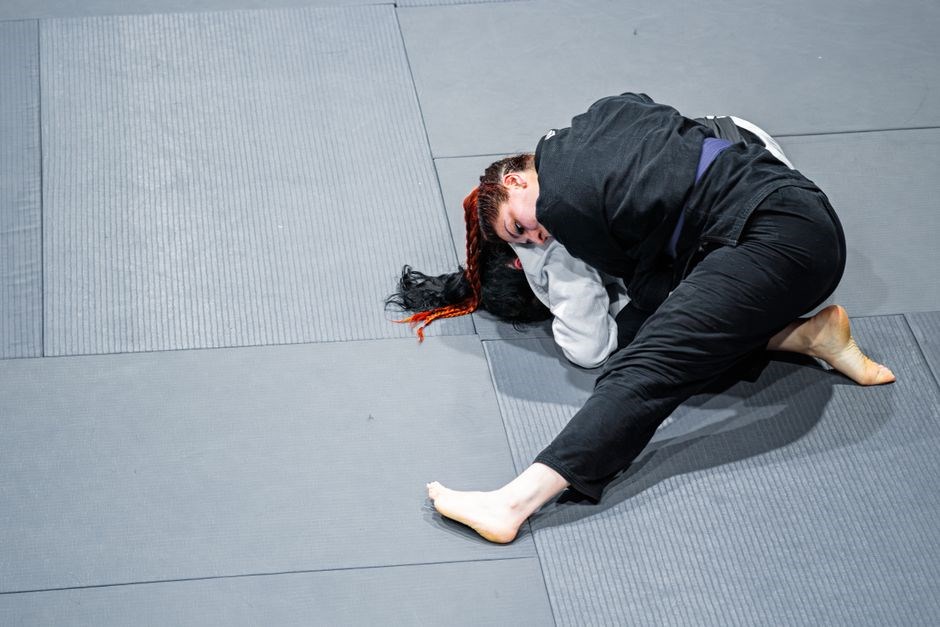
Sleeve Length and Tailored Fit Issues
Tatami gis often have shorter sleeves, especially for taller users. The jacket’s arm length can feel too tight, while the shoulders may be slightly narrow. Many find the fit baggy in the upper arm, causing a less tailored look. Adjustments are rare, so sizing up is common. Short sleeves often need a jacket. now
Adjusting for Shorter Torsos and Longer Arms
Shorter torsos and longer arms present a common challenge when selecting a Tatami gi. Many users report that the jacket’s sleeve length is insufficient for their reach, while the torso remains snug. The brand’s standard sizing tends to favor a more natural, slightly longer torso, which can leave taller practitioners with a sleeve that ends just above the elbow or even at the wrist. To counteract this, several strategies can be employed.
First, consider ordering one size up. While the jacket may appear bulkier at the shoulders, the extended sleeve length can provide the necessary coverage. Some buyers have found that a size F1 or F2 offers a better arm fit without compromising the overall silhouette. Second, look for a gi that offers adjustable sleeve cuffs or a slightly looser armhole. A relaxed armhole allows the sleeve to slide over the arm more comfortably, reducing the feeling of restriction.
Third, explore custom or semi‑custom options. A few Tatami distributors offer a “long‑arm” variant, which extends the sleeve by a few centimeters; This variant is especially useful for athletes with a height‑to‑shoulder ratio that exceeds the standard. Fourth, consider a “tucked” or “rolled” sleeve style. By rolling the sleeve up to the elbow, the practitioner can effectively lengthen the arm coverage while maintaining a clean look. Finally, post‑purchase alterations can be a practical solution. A skilled tailor can add a small amount of fabric to the sleeve or adjust the armhole to accommodate longer arms without altering the jacket’s overall proportions.
When selecting a size, always refer to the official Tatami size chart, but keep in mind that the chart’s measurements are based on an average torso length. For those with shorter torsos, the jacket’s chest and waist measurements may still fit well, but the sleeve length will likely require adjustment. By combining these approaches—size up, custom variants, sleeve adjustments, and tailoring—practitioners can achieve a balanced fit that respects both the jacket’s design and their personal body proportions.
Additionally, some practitioners find that using a lighter weight gi fabric can help mitigate the bulk that comes with sizing up. The lighter material allows the jacket to drape more naturally over the body, reducing the visual bulk while still providing the necessary sleeve length. It’s also worth noting that the fit can change after the first wash, as Tatami gis tend to shrink slightly in the waist and hips. This shrinkage can slightly alter the sleeve length perception, making a size that initially seemed too short feel more adequate after a wash. Therefore, when ordering, consider ordering a size that offers a bit of extra sleeve length, knowing that the first wash may bring the fit closer to your ideal.
Remember, the ultimate goal is a gi that feels neither restrictive nor excessively loose, allowing you to focus on technique rather than fit. If in doubt, consult the retailer’s customer service for personalized sizing advice based on your specific measurements.
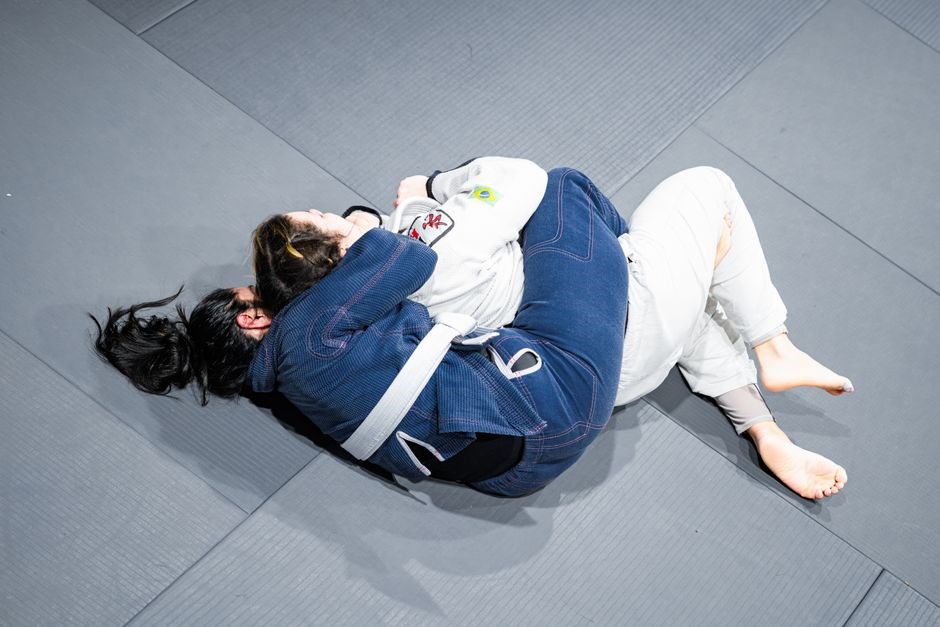
Recommendations for Men’s Tatami Gi Sizes
Men often find Tatami gis slightly large; start with F0 or F1 for a snug fit. If you have a taller frame, consider F2 for extra room. Pay attention to sleeve length—short torsos may need a size up. Always check the official chart before ordering. Consider a size up for longer sleeves, but keep the jacket snug.
Choosing Between F0, F1, and F2
When selecting a Tatami gi, the F0, F1, and F2 sizes are the most common choices for men. The F0 is the smallest, typically fitting athletes with a lean frame and a short torso. F1 offers a moderate increase in width and sleeve length, suitable for those who find F0 a bit tight but still want a streamlined look. F2 is the next step up, providing extra room in the chest, waist, and hips, and longer sleeves that accommodate taller athletes or those with longer arms. Because Tatami gis tend to run slightly large, many users recommend starting at F0 or F1 and then adjusting based on fit. If the jacket feels snug at the shoulders but the pants are too short after washing, consider moving up to F2. Conversely, if the jacket is too loose and the pants are too long, F0 may be the better option. Always cross‑check the official size chart and read customer reviews for specific body measurements, as individual fit can vary. A good rule of thumb is to measure your chest, waist, and inseam, then compare those numbers to the chart’s recommended ranges. If you fall near the upper limit of F0, F1 is a safer bet; if you’re close to the lower limit of F2, you might still fit comfortably in F1. Ultimately, the choice hinges on your torso length, arm reach, and personal preference, for the a looser silhouette.
If you prefer a tighter fit, size down one step, but remember Tatami gis shrink after washing so the final fit may be small quick now.
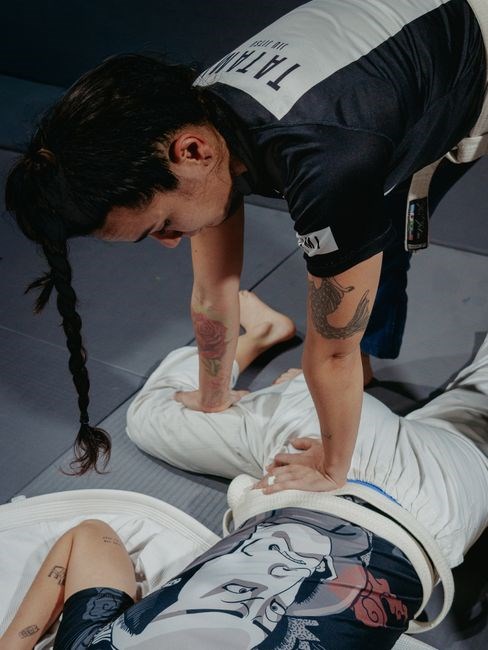
Recommendations for Women’s Tatami Gi Sizes
Women find Tatami gis sized for a petite frame. F0 fits shorter torsos; F1 gives extra room in hips and sleeves. Pants run large, so sizing up can prevent tightness after wash. Check the chart to choose a size that balances sleeve length and hip width for a gi!
Impact of Petite Build on Fit
Women who naturally have a petite build—torso, longer legs, slimmer waist—find Tatami gis a mixed bag. The brand’s size chart is calibrated for a silhouette,and meaning the jacket’s shoulder width and sleeve length suit a smaller frame andalsotoo. As a result, a F0 or F1 jacket can feel snug at the shoulders but often leaves the sleeves 1–2 cm too short, especially for those with longer arms.
In contrast, the pants tend to run larger in the hip and thigh area. After the first wash, the fabric shrinks slightly, which can shorten the leg length by a few centimeters, but the overall width remains generous. This creates a “tight‑but‑long” aesthetic: the jacket feels too short, while the pants feel too wide. This combination can result in a “tight‑but‑long” look: the jacket feels too short, and the pants feel too wide.
To address these issues, many users suggest sizing up one step for both jacket and pants—choosing a F1 jacket and a F2 pair—then customizing the fit. A belt or waist adjustment tightens the pants, while a tailor can shorten sleeves or hem the legs to match the wearer’s proportions. By testing the jacket’s sleeve length first and then adjusting the pant size accordingly, a woman can achieve a more harmonious look that respects the brand’s petite‑centric design while still accommodating her unique body shape.
Ultimately, the key to a successful fit is to test the jacket’s sleeve length first, then adjust the pant size accordingly, keeping in mind that Tatami’s sizing is calibrated for a petite build and may not accommodate a longer torso without modifications.
Practical Tips for Measuring and Ordering
Measure chest at the widest point, waist at the natural waist, hips at the widest point, and sleeve length from shoulder seam to wrist. Compare to Tatami’s online chart, pick the size that matches chest and waist. If unsure, order a step up for a relaxed fit;!!
Utilizing Online Size Charts Effectively
When you’re shopping online, start by pulling the official Tatami size chart from their website. Measure your chest, waist, hips, and sleeve length in inches, then match each figure to the chart’s columns. Tatami’s sizing leans toward a slightly larger build, so if you’re between sizes, it’s safer to pick the higher one. For example, a chest of 38 inches falls between F1 and F2; choosing F2 will give you a jacket that feels roomy and pants that won’t be too tight after wash‑down. Remember the pants tend to run a bit longer and shrink, so check the listed inseam and consider ordering a step up if you have a longer leg. After you’ve selected the size, read the product description for any notes on fit—many sellers note that the jacket is true to size while the pants are a touch loose. Tatami also provides a conversion guide for international customers, translating metric measurements into inches. Use the conversion table to double‑check your numbers, especially if you’re measuring in centimeters. Some users report that the jacket’s shoulder width is slightly narrower than the chest measurement, so if you have broader shoulders, consider stepping up one size. Additionally, pay attention to the sleeve length; the chart lists a standard sleeve of 32 inches for F1, but many reviewers note that the actual sleeve can be a couple of inches shorter, making it ideal for those with longer arms. If the retailer offers a return policy, you can try the gi at home and exchange if it doesn’t fit. A 30‑day return window gives you ample time to assess fit. and adjust if needed!!!.